


























A granted patent is only as valuable as the management behind it. Without active oversight, patents expire through missed renewals, become commercially misaligned with business direction, or remain dormant assets generating no return. For organisations with multiple patents across multiple jurisdictions, portfolio management is core IP strategy — not administrative overhead.
Legacy Partners provides comprehensive patent portfolio management covering the full asset lifecycle: renewals, assignments, licensing, portfolio auditing, and IP due diligence.
Patents require periodic maintenance fees — annuities — to remain in force. In the UAE, renewal fees are due annually from year two. A missed renewal causes the patent to lapse, and reinstatement rights are limited. A patent lapsed in error can represent the permanent loss of millions in enforcement or licensing value.
| Jurisdiction | Renewal Frequency | Consequence of Lapse |
|---|---|---|
| UAE | Annual from year 2 | Patent lapses; reinstatement possible within 6 months |
| GCC Patent | Annual from year 2 | Patent lapses across all 6 GCC states simultaneously |
| EPO / Europe | Annual national validation fees | Per-country lapse; limited reinstatement |
| USA (USPTO) | 3.5, 7.5, 11.5 year maintenance fees | Permanent expiry if missed |
| India | Annual from year 2 | Patent lapses; restoration petition possible |
Missed patent renewals are one of the most avoidable and costly IP mistakes. A patent generating significant licensing or enforcement value can be irreversibly lost for failure to pay a maintenance fee of a few hundred dollars.
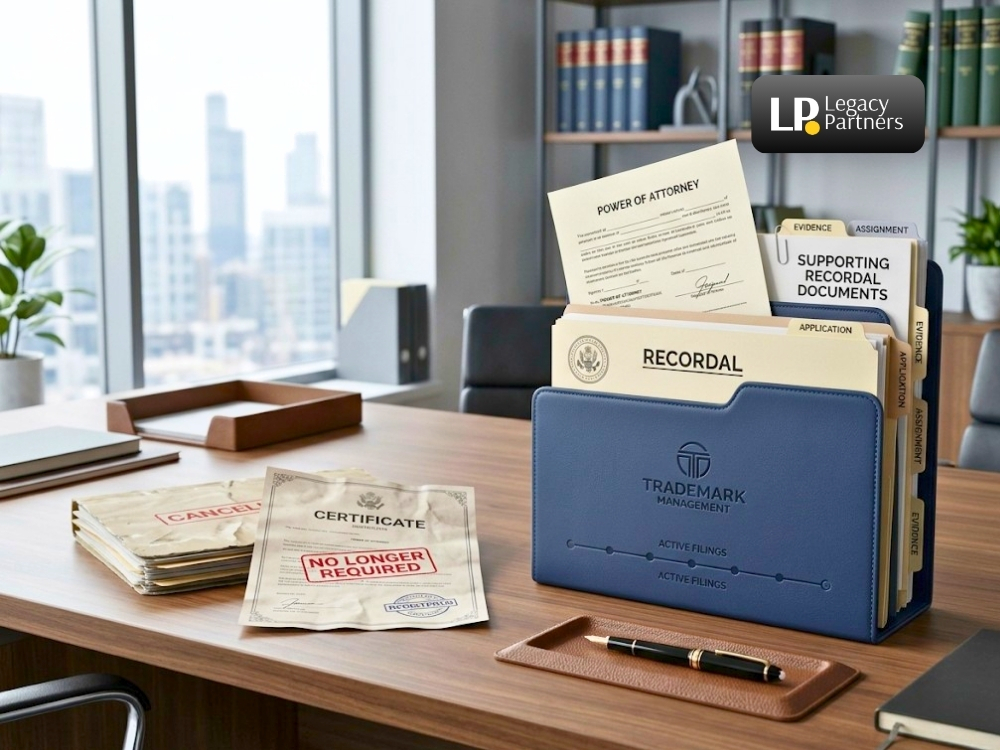
A patent assignment is the complete transfer of ownership of a patent or patent application from one party to another. Assignments arise in corporate restructuring, asset sales, M&A transactions, IP holding structure creation, and employee invention transfers.
An unrecorded assignment may not be enforceable against subsequent assignees or licensees without notice. In the UAE and most GCC jurisdictions, recordal at the patent office is a condition of legal effectiveness against third parties.
A patent that is not being exploited directly can generate revenue through licensing — granting third parties the right to use the patented technology in exchange for royalties or other consideration. Licensing is a strategic complement to — or substitute for — direct commercialisation.
| Licence Type | Description | Typical Use Case |
|---|---|---|
| Exclusive | Only licensee may use | Conditions of investment |
| Non-exclusive | Multiple parties may use | Revenue maximisation |
| Sole | Owner retains rights; one licensee | Balance of flexibility |
| Sub-licence | Licensee grants further rights | Distribution chains |
| Cross-licence | Mutual license between parties | Resolving disputes |
Systematic review assessing legal status, relevance, and objectives:
Structured scrutiny for M&A and investment rounds:
Legacy Partners manages renewal calendars, assignment transactions, and licensing programmes for clients across the UAE, GCC, India, and internationally. Contact us to bring your patent portfolio under active, strategic management.
Join over 500+ entrepreneurs who chose Legacy Partners.
Legacy Partners
We typically reply in a few minutes